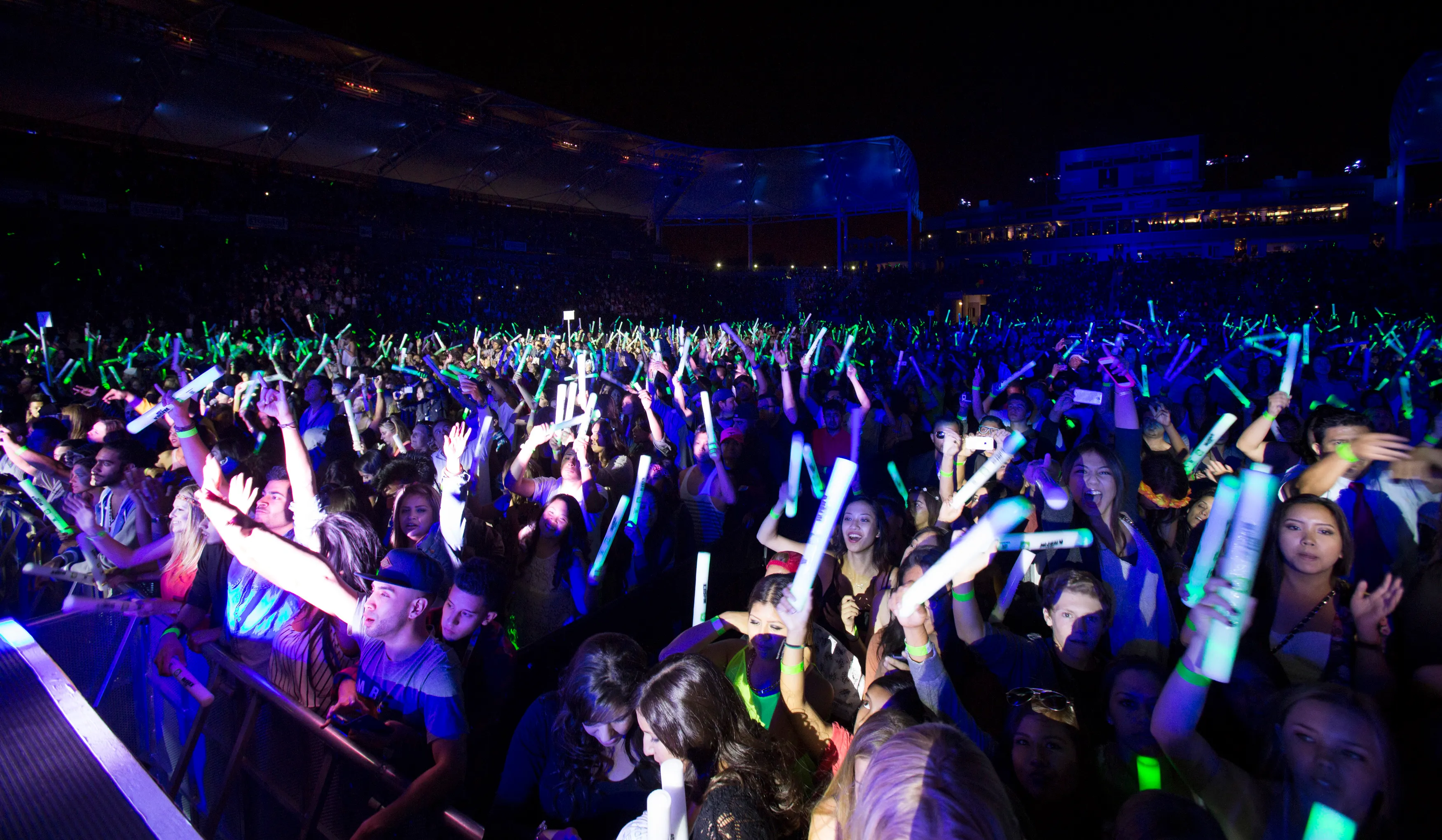
Intro: The Vibrant World of Electronic Dance Music (EDM)
Get ready to explore the vast and vibrant universe of Electronic Dance Music (EDM). This dynamic genre of music never ceases to evolve and is much more than mere pulsating beats. Here are some of the most notable EDM subgenres:
- Intro: The Vibrant World of Electronic Dance Music (EDM)
- House Music: The Heartbeat of EDM
- The Birth of House Music
- The Sound of House Music
- The Evolution and Influence of House Music
- Trance: The Soul of Electronic Dance Music
- Characteristics of Trance Music
- Evolution and Subgenres of Trance
- Trance in Music Festivals and Its Influence
- Classical Elements in Trance Music
- Vocals in Trance Music
- Dubstep: The Energy Booster of EDM
- The Unique Sound of Dubstep
- The Ascendancy of Dubstep
- The Evolution and Influence of Dubstep
- Techno: The Pulse of EDM
- The Unique Sound of Techno
- Techno’s Influence on Other Genres
- Drum and Bass: The Fast-paced EDM Genre
- The Unique Sound
- Evolution Over Time
- Influence and Impact
- Hardstyle: The Powerhouse of Electronic Dance Music
- The Birth of Hardstyle
- The Evolution of Hardstyle
- The Impact of Hardstyle
- Subgenres of Hardstyle
- The Global Reach of Hardstyle
- Electro: A Dynamic Genre of Music
- Defining Electro
- The Evolution of Electro
- Electro’s Resurgence
- Trap Music
- The Sound of Trap
- Trap Music’s Influence
- Trap in EDM
- Usage of “EDM” Inside and Outside the United States:
- Closing Thoughts on EDM Genres
House Music: The Heartbeat of EDM
House music, a sub-genre of Electronic Dance Music (EDM), has been a cornerstone of the global dance music scene since its inception. Originating from the vibrant club culture of Chicago in the early 1980s, house music has evolved and expanded, influencing and inspiring countless artists and music enthusiasts worldwide.
The Birth of House Music
House music was born in the clubs of Chicago, where innovative DJs started experimenting with disco tracks, adding deeper basslines and electronic beats. The genre gets its name from the legendary nightclub ‘The Warehouse,’ where DJ Frankie Knuckles, often referred to as the ‘Godfather of House,’ played his unique blend of disco edits, soul music, and electronic beats.
The Sound of House Music
Characterized by a repetitive 4/4 beat, house music typically has a tempo ranging from 120 to 130 beats per minute (bpm). The genre is known for its prominent basslines and the use of hi-hat cymbals. It often incorporates elements of disco, funk, and soul, with synthesized basslines, electronic drums, and effects-laden vocals.
The Evolution and Influence of House Music
Over the years, house music has evolved into numerous sub-genres, each with its unique characteristics. These include deep house, progressive house, tech house, and electro house, among others. Despite their differences, all these sub-genres share the foundational elements of house music – the 4/4 beat and the emphasis on rhythm and groove.
House music has had a profound influence on popular music. Its sound can be heard in various forms of music, from pop to hip hop, indicating its widespread impact. The genre has also played a crucial role in the development of dance music culture, influencing DJing, clubbing, and music production techniques.
Trance: The Soul of Electronic Dance Music
Trance music, a captivating subgenre of electronic dance music (EDM), emerged in the 1990s. Known for its fast tempo, typically between 125 and 150 beats per minute, trance music creates an immersive atmosphere with repeating melodic phrases.
Characteristics of Trance Music
Trance stands out for its emphasis on melody, atmosphere, and the altered states of consciousness induced by its hypnotic elements. It often features synthesizers, sequencers, and rhythmic components that craft its unique sound.
Evolution and Subgenres of Trance
Over the years, trance has evolved, giving birth to various subgenres such as progressive trance, uplifting trance, and psytrance. These subgenres have gained popularity in their own right, each adding a unique twist to the classic trance sound.
Trance in Music Festivals and Its Influence
Trance music has a strong presence in many music festivals worldwide, particularly in Europe. Its influence extends to numerous other genres of electronic music, demonstrating its significant role in the EDM world.
Classical Elements in Trance Music
Despite its electronic nature, trance often incorporates elements of classical music. Strings, piano, and choir sounds are commonly used, adding a touch of classical elegance to the electronic beats.
Vocals in Trance Music
Trance is also known for its use of ethereal, dreamy vocals. These vocals often feature long, sustained notes that create a sense of euphoria, adding to the immersive quality of the music.
Dubstep: The Energy Booster of EDM
Originating in South London in the early 2000s, Dubstep is a genre of electronic dance music. It’s a unique fusion of UK garage, 2-step rhythms, and elements of dub, broken beat, grime, and drum and bass. Interestingly, the genre’s roots are deeply embedded in the Jamaican sound system party scene of the early 1980s.
The Unique Sound of Dubstep
Characterized by syncopated rhythmic patterns and heavy basslines, Dubstep often carries a dark tone. Notably, London’s night club, Plastic People, and the pirate radio station Rinse FM, played instrumental roles in promoting dubstep. By 2002, the term “dubstep” had become common parlance among labels such as Big Apple, Ammunition, and Tempa.
The Ascendancy of Dubstep
Between 2005 and 2006, Dubstep broke into mainstream British culture. This growth was fueled by dedicated websites and coverage in music magazines like The Wire and online platforms like Pitchfork. Furthermore, BBC Radio 1 DJ Mary Anne Hobbs played a significant role in promoting the genre from January 2006 onwards.
As the 2000s drew to a close, dubstep’s commercial success in the UK began to surge. More singles and remixes started to hit the music charts, and pop artists began to incorporate dubstep influences into their work. In addition, producers started blending elements of the original dubstep sound with other influences, leading to the creation of fusion genres like future garage and post-dubstep.
The Evolution and Influence of Dubstep
The late 2000s witnessed the rise of brostep, a variant of dubstep with a harsher, electro-house and heavy metal-influenced sound, primarily in the United States. This was largely driven by American producers like Skrillex. Today, dubstep continues to evolve, shaping the broader electronic dance music landscape with its enduring appeal and innovative spirit.
Techno: The Pulse of EDM
Techno music, a genre that originated in the mid-1980s in Detroit, Michigan, is a testament to the power of innovation and creativity. This genre, often associated with futuristic themes, is a product of the fusion of various styles, including funk, electro, and electronic music.
The Unique Sound of Techno
What sets techno apart? It’s the repetitive, rhythmic patterns and the synthesized beats. Techno music is characterized by its use of synthetic sounds, produced by drum machines and synthesizers. This genre is not just about the beats, it’s about creating an atmosphere, a vibe that resonates with the listener.
Techno’s Influence on Other Genres
Techno’s influence extends beyond its own genre. It has significantly impacted various other music styles, including house, trance, and even pop music. Artists across the globe have incorporated techno elements into their music, demonstrating the genre’s far-reaching influence.
Drum and Bass: The Fast-paced EDM Genre
Firstly, let’s delve into the world of drum and bass, a genre that has been captivating audiences since the early 1990s. Originating in the UK, this genre has spread globally, demonstrating its universal appeal.
The Unique Sound
Drum and bass, often abbreviated as DnB, is characterized by fast breakbeats, typically between 160 and 180 beats per minute. Moreover, it incorporates heavy bass and sub-bass lines. This unique combination creates a high-energy sound that sets it apart from other music genres.
Evolution Over Time
As we move forward, it’s crucial to note that drum and bass has evolved significantly over the years. Initially, it was an offshoot of rave music, incorporating elements of jungle, dancehall, and dub. However, it has since branched out, encompassing a wide range of styles from liquid and jump-up to neurofunk and techstep.
Influence and Impact
Next, let’s turn our attention to the influence of drum and bass. It has had a profound impact on various music scenes, influencing genres such as hip-hop, dubstep, and house. Furthermore, it has also shaped the club culture, with dedicated drum and bass nights being a common feature in clubs worldwide.
Hardstyle: The Powerhouse of Electronic Dance Music
Hardstyle, an electronic dance genre, emerged in the late 1990s, with roots tracing back to the Netherlands, Belgium, and Italy. It’s a unique blend of techno, new beat, and hardcore influences, resulting in a sound that’s both powerful and captivatin
The Birth of Hardstyle
The exact origin of hardstyle is somewhat elusive, but it’s clear that its characteristics stem from hard trance, with influences from other genres like hardcore. This fusion of styles is what we now recognize as early hardstyle. As it evolved, hardstyle gathered traits from other electronic music genres, refining its own sound and identity.
The Evolution of Hardstyle
Over time, the BPM (beats per minute) of hardstyle music increased, transitioning from a range of 135 to 150 to a range of 150 to 160. This evolution brought hardstyle elements back to the hardcore scene, making modern hardstyle and hardcore very similar in some cases, with the only significant difference being the BPM.
The Impact of Hardstyle
Hardstyle has had a significant influence on other styles of electronic dance music. For instance, big room house began sharing similarities with hardstyle in terms of structures and rhythms. Additionally, hardstyle played a large role in the popularity of Frenchcore and happy hardcore music, which both gained traction in the late 2010s with the hardstyle audience after producers started applying hardstyle production techniques and melodic styles to these genres.
Subgenres of Hardstyle
Hardstyle has given birth to several subgenres, each with its own unique characteristics. Euphoric hardstyle, for example, emerged around 2010 and is characterized by highly emotional melodies and heavy pitch-shifting of kicks. Other subgenres include trapstyle, dubstyle, and psystyle, each offering a unique twist on the hardstyle formula.
The Global Reach of Hardstyle
Hardstyle has gained commercial acceptance worldwide, with hardstyle artists performing on the biggest stages in EDM. Events like Qlubtempo and Qlimax, produced by Dutch event company Q-dance, have played a significant role in the evolution and spread of hardstyle music.
Electro: A Dynamic Genre of Music
Electro, also known as electro-funk, is a unique genre of electronic music that emerged in the early 1980s. It is characterized by its innovative use of the Roland TR-808 drum machines and funk influences. This genre has had a significant impact on the music industry, influencing various other genres and artists.
Defining Electro
Electro is a genre that stands out due to its heavy use of drum machines, particularly the Roland TR-808, and electronic sounds. Unlike its predecessors, such as disco, electro is less vocal-oriented and more focused on electronic beats produced by drum machines. This distinctive feature sets electro apart from other genres, making it a unique and innovative form of music.
The Evolution of Electro
Electro emerged as a fusion of funk and early hip-hop, with significant influences from New York boogie, German and Japanese electronic pop music. The genre was pioneered by musicians like Arthur Baker, Afrika Bambaataa, Warp 9, and Hashim. Seminal electro tracks, such as “Planet Rock” and “Nunk,” are known for their characteristic TR-808 drum beats.
The early 1980s marked the mainstream peak of electro. However, by the mid-1980s, the genre began to evolve, moving away from its electronic and funk influences and incorporating harder-edged beats and rock samples, as exemplified by Run DMC.
Electro’s Resurgence
Despite its fluctuating popularity, electro has experienced several periods of resurgence. The late 1990s saw a revival of electro with artists like Anthony Rother and DJs like Dave Clarke. A third wave of popularity occurred in 2007. Today, electro continues to influence and shape the music industry, branching out into various subgenres like electrocore and skweee.
Trap Music
Trap music, a sub-genre of EDM, originated in the early 2000s in the Southern United States. It’s a fusion of hip-hop and electronic music, characterized by its aggressive lyrical content and sound, where the use of double or triple-time hi-hats, heavy kick drums from a Roland TR-808 synthesizer, layered synthesizers, and “cinematic” strings are prevalent.
The Sound of Trap
The defining characteristic of trap music is its distinctive, heavy bass. The genre is known for its complex hi-hat patterns, tuned kick drums, and layered synthesizer melodies. These elements combine to create a dark, ominous, and gritty sound that is instantly recognizable and uniquely trap.
Trap Music’s Influence
Trap music has had a significant influence on the music industry. It has permeated various music genres, including pop and electronic dance music. Artists like T.I., Gucci Mane, and Young Jeezy are credited with popularizing the genre, while producers like Lex Luger, Zaytoven, and Metro Boomin have helped shape its sound.
Trap in EDM
In the EDM scene, trap music has carved out a niche for itself. EDM trap retains the characteristics of traditional trap but infuses it with electronic elements. Artists like RL Grime, Flosstradamus, and Baauer have been instrumental in bringing trap music to the EDM forefront.
Usage of “EDM” Inside and Outside the United States:
- Inside the US: In the United States, “EDM” is a prevalent and widely recognized term employed to refer to electronic dance music as a whole. It frequently finds use in marketing, event promotions, and conversations about electronic music genres and events.
- Outside the US: Similarly, the term “EDM” also finds usage in many countries beyond the US, particularly in nations where electronic music and dance culture hold popularity. It serves as an umbrella term for electronic music genres intended for dancing.
Cultural Differences: Although the term “EDM” is generally understood to encompass a broad spectrum of electronic music styles, there can exist notable cultural differences in how it’s perceived and the specific subgenres it may allude to:
- United States: In the US, “EDM” often denotes a wide array of electronic music genres, including house, techno, trance, dubstep, drum and bass, and more. It serves as a comprehensive term for electronic music created for dance floors.
- Europe: In Europe, where electronic music boasts deep historical roots, there might be a more nuanced understanding of different subgenres within electronic music. People might favor using specific genre names like “techno,” “house,” or “trance” more frequently than the encompassing term “EDM.”
Closing Thoughts on EDM Genres
The term “EDM” generally pertains to the overarching genre of electronic dance music as a whole, covering various subgenres. While it can encompass house, techno, trance, and more, it’s vital to note that “EDM” is often applied to describe music with a focus on danceability, regardless of the particular subgenre.
In summary, “EDM” is a widely recognized term employed to describe electronic dance music globally. While it’s used to encompass a variety of subgenres, cultural differences might influence how people perceive and utilize the term, particularly in regions with well-established electronic music scenes.
Leave a Reply